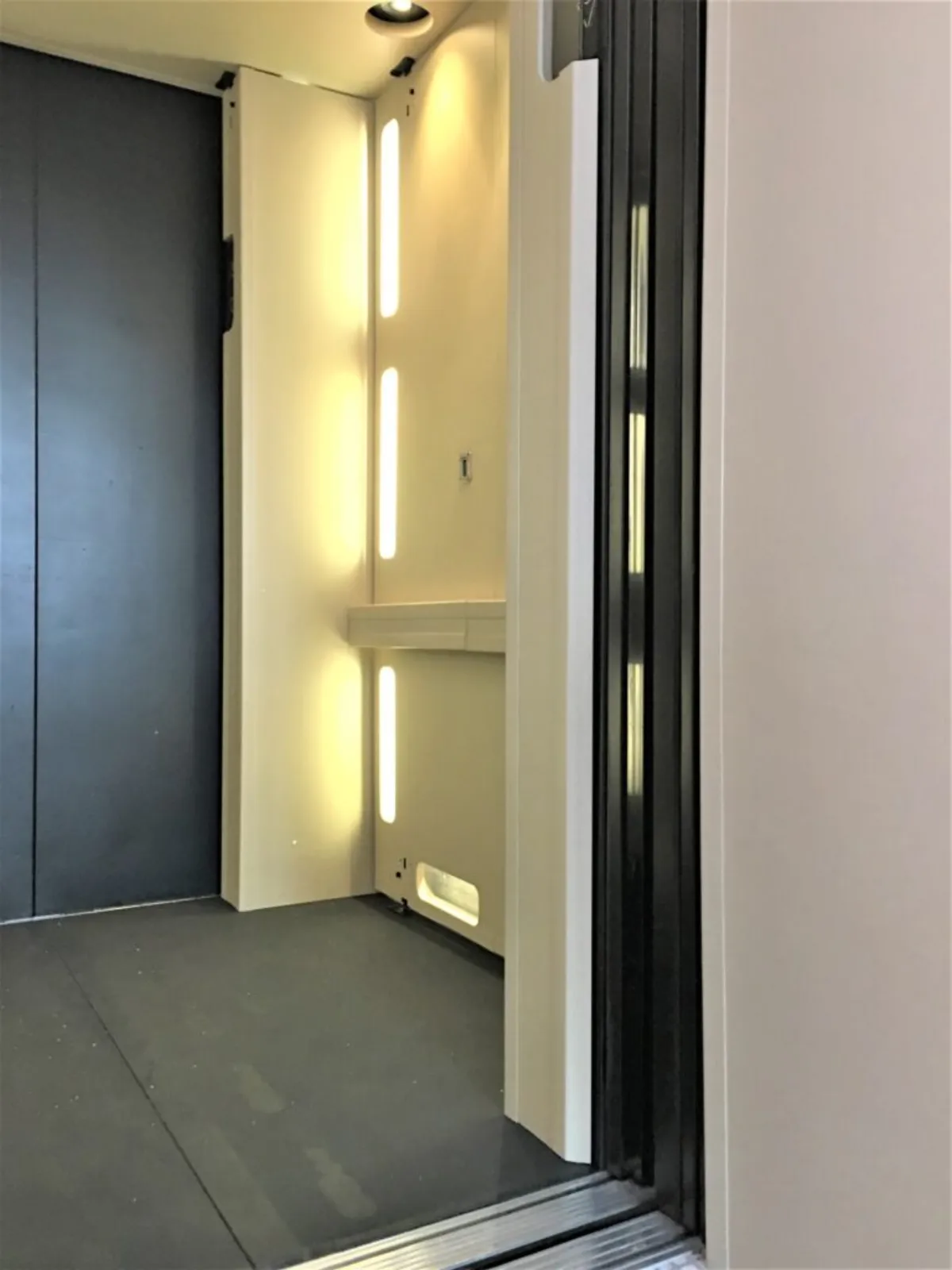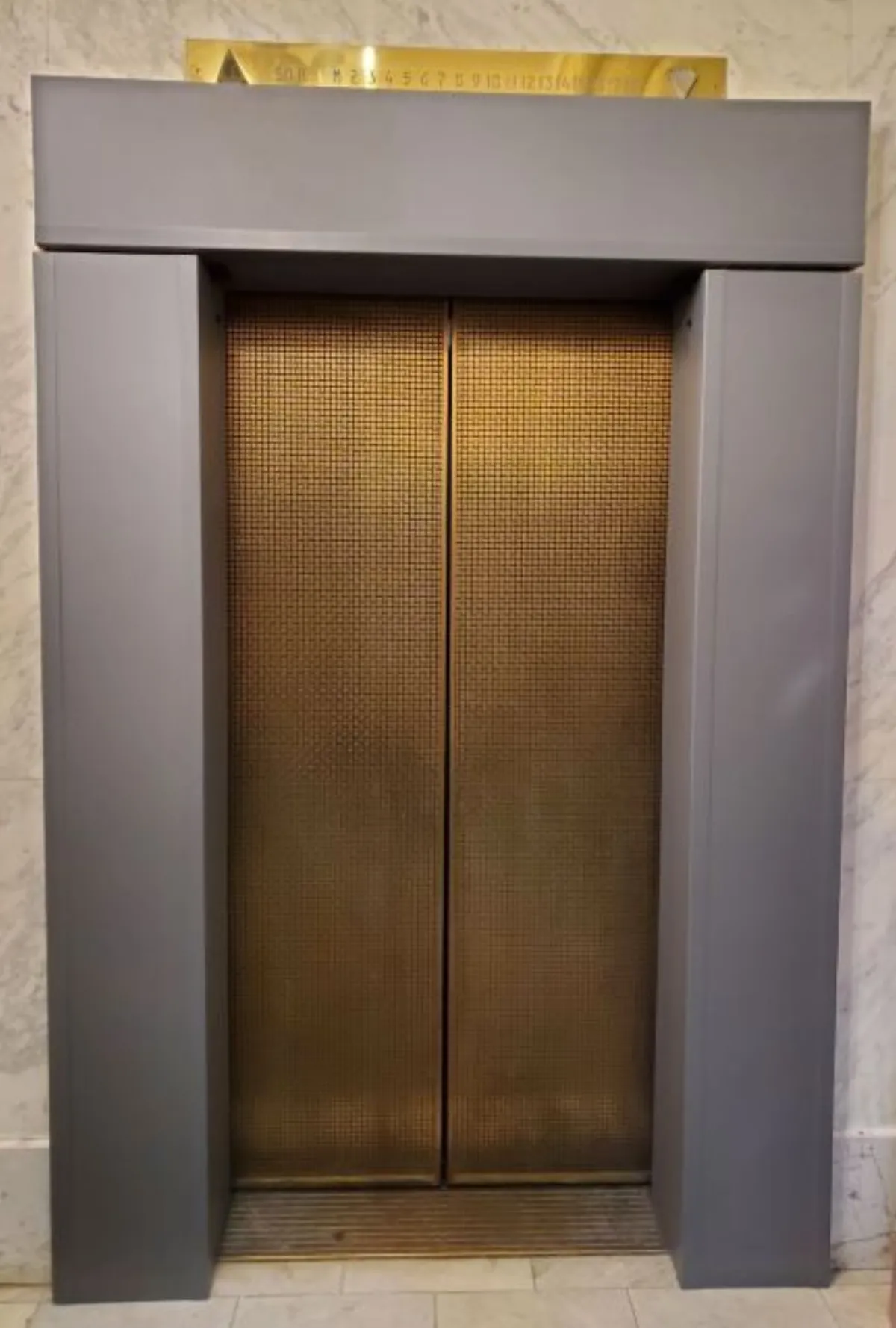
Most mid-rise residential and office buildings have no freight elevator. Every move, every appliance delivery and every tenant build-out goes through the passenger car. “Converting” that car for freight sounds like an engineering project. In practice it means one thing: protecting the interior so it survives.
What a temporary conversion is
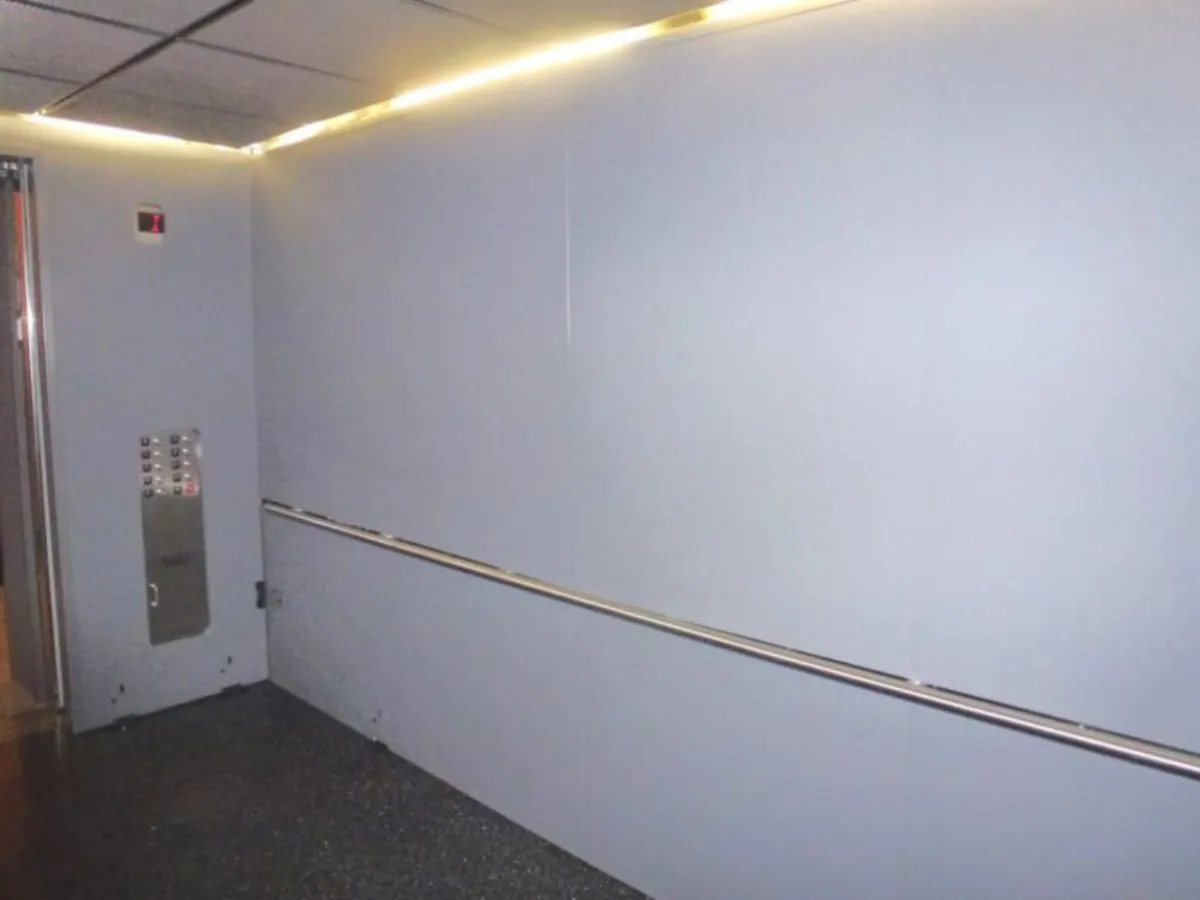
Nothing mechanical changes. The car runs at the same speed with the same rated load. What changes is the interior: the finished walls, floor, ceiling and entrance are covered so that carts, dollies and furniture can go in and out without touching them. When the job is done, the covering comes out and the car is a passenger elevator again.
Door Guard describes its Cab Liner as a system that “instantly converts a passenger elevator into a freight elevator.” That is the whole idea: five minutes to put in, five minutes to take out, no hardware left behind.
What it is not
- It is not a freight-class elevator. A true freight elevator is built with reinforced walls, heavier gates and a different loading classification. A lined passenger car still has its posted capacity.
- It is not a permit. If your jurisdiction or elevator contractor has rules about freight use in passenger cars, those still apply.
- It is not a reason to skip the floor. A loaded dolly puts hundreds of pounds on two small wheels. The floor liner matters as much as the walls.
The five-minute version
- Carry the folded wall panels into the car. One person, no tools.
- Unfold each panel against its wall; the living hinge lets it open flat.
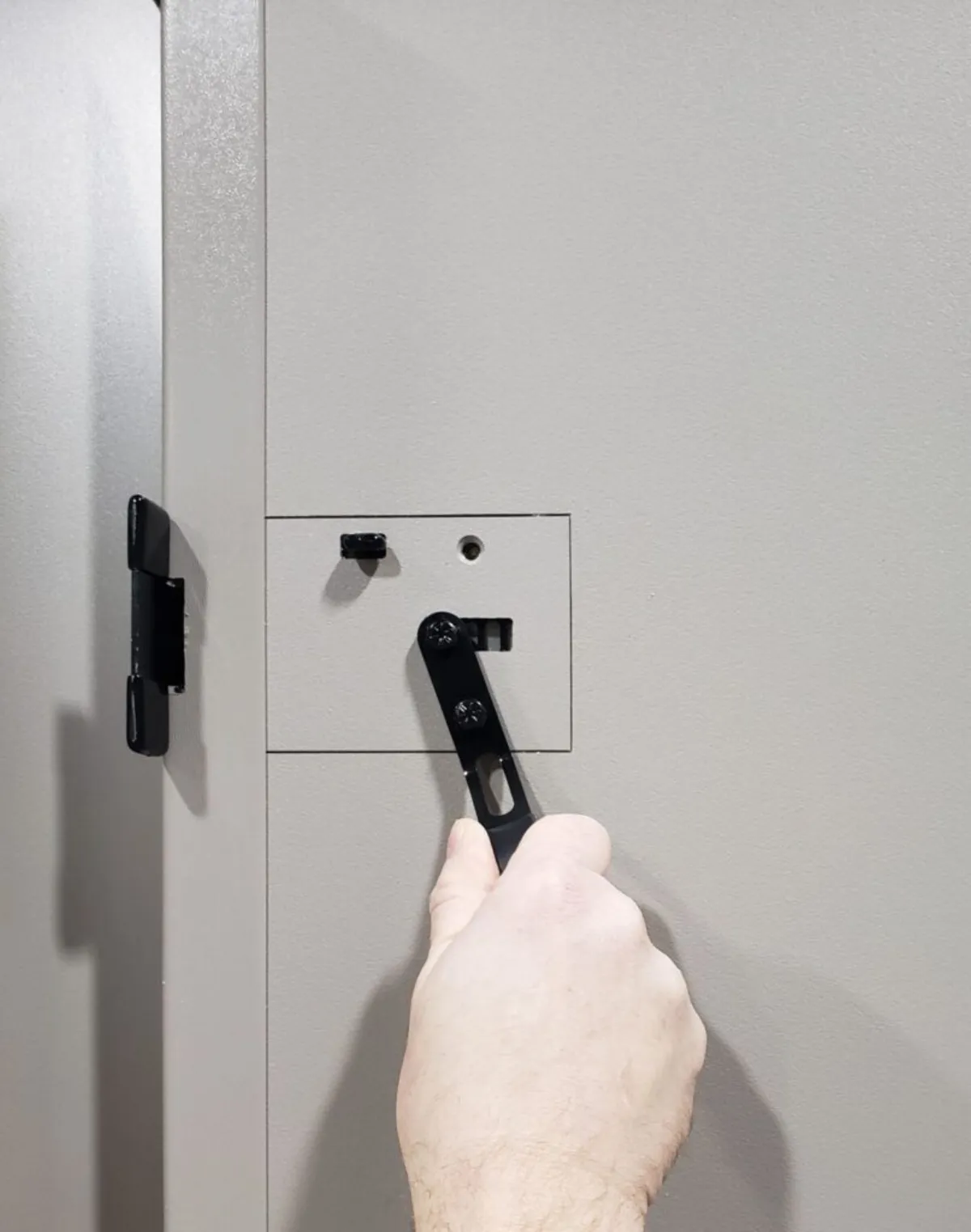
- Lock the set with the last panel. Compression holds everything in place.
- Drop in the floor liner and, if needed, the ceiling liner.
- Hang the door liner on the entrance.
Buttons, cameras, mirrors and the emergency phone stay exposed through cut-outs, so residents can still ride.
When the conversion lasts months
Tenant build-outs and renovations keep a car in freight mode for weeks or months. A fitted liner is semi-permanent: it stays locked for the duration and comes out clean at turnover. Our sister site has a page on construction elevator protection and a guide to spec language for contractors.
Getting it set up
Gather rough dimensions and photos of the bare cab (quote worksheet here) and send them with a free quote request. The form takes photos and drawings. Door Guard builds every set in Pittsburgh, PA and ships nationwide.