A custom-fit liner is only as good as the numbers it was cut from, so Door Guard measures in two rounds. The first round gets you a price. The second, after you order, gets you a liner that fits.
Quote measurements are preliminary. The numbers you send with a quote request are used for pricing only. Nothing is built from them. Exact fabrication measurements come later, from photos Door Guard marks up for you.
Round one: what to send for a quote
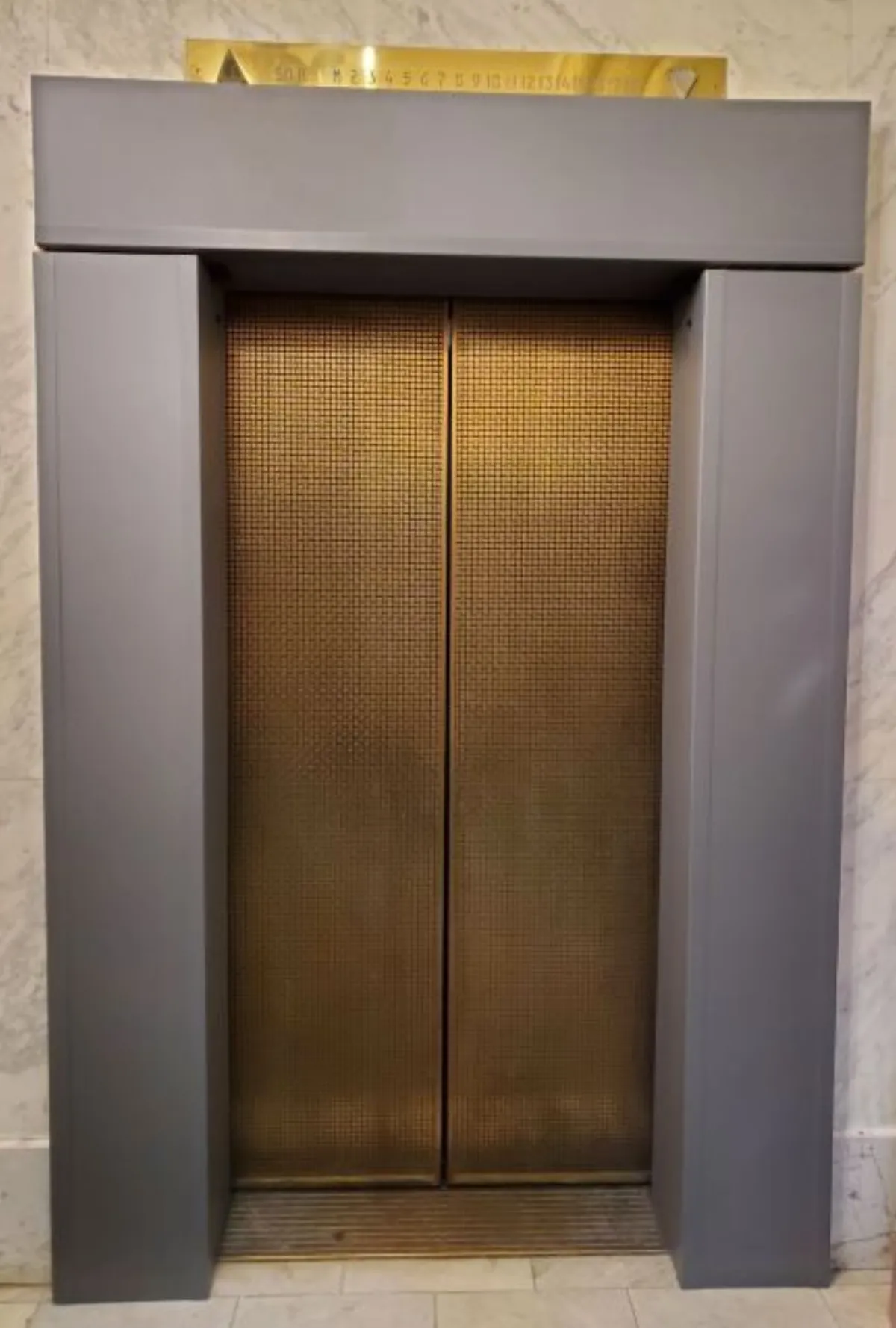
- Door count. One door, or front and rear. Every door wall gets jamb returns instead of a full panel, so this sets the Cab Liner layout.
- Weight capacity. It’s on the capacity plate inside the cab, usually near the control panel.
- Approximate dimensions. Width of the back and side walls, inside height to the lowest point of the ceiling, and the door opening. Close is good enough for pricing.
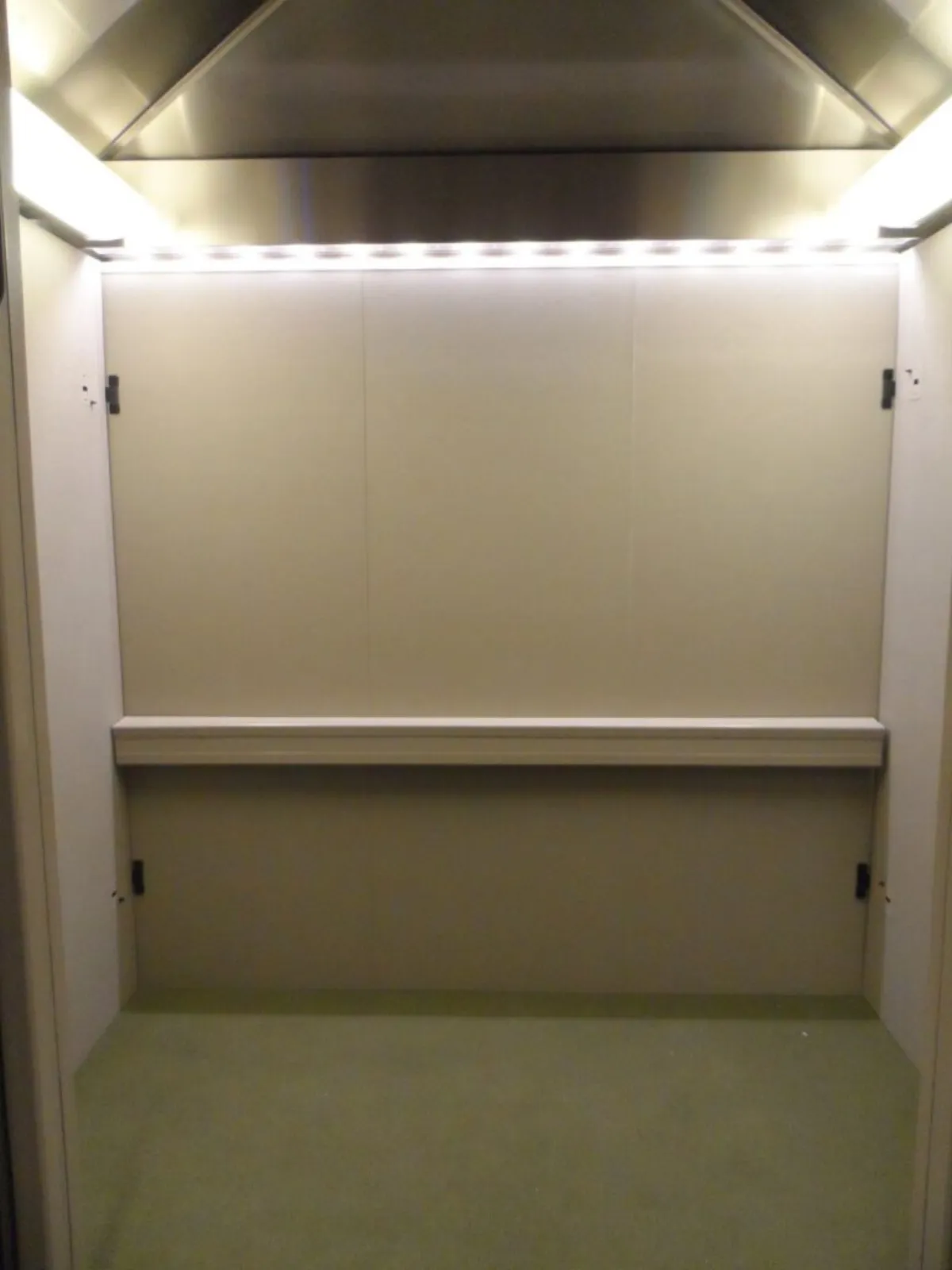
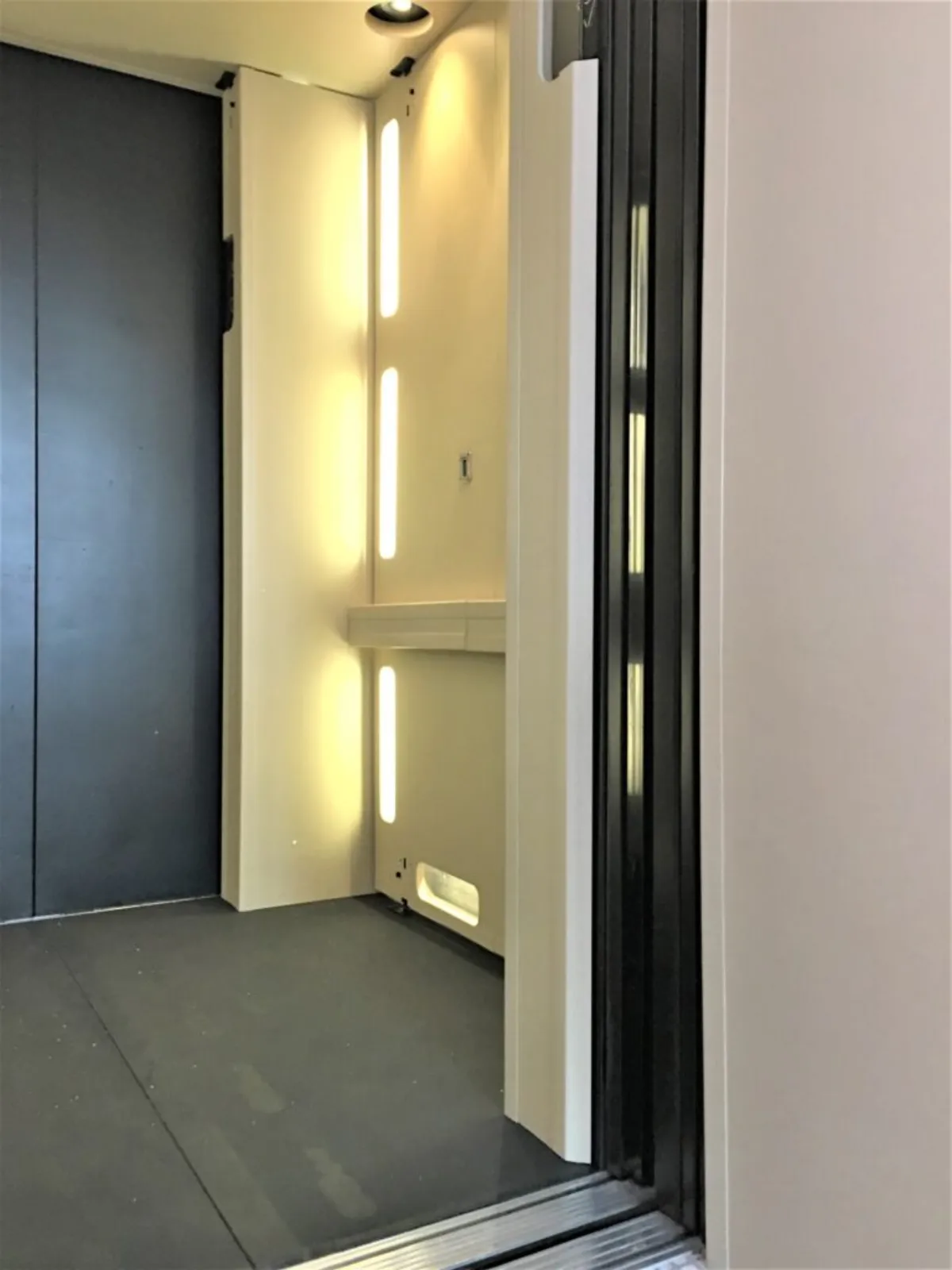
- Photos of the bare cab. Every wall, the ceiling and the door, with all pads and protection removed.
- Interior shop drawings, if you have them. The building’s elevator or interiors contractor often has a set. They’re helpful, not required.
What the photos need to show
The photos are how Door Guard spots features that could affect the fit or the price. Take one straight-on shot of each wall, plus close-ups of:
- The control panel and any second panel.
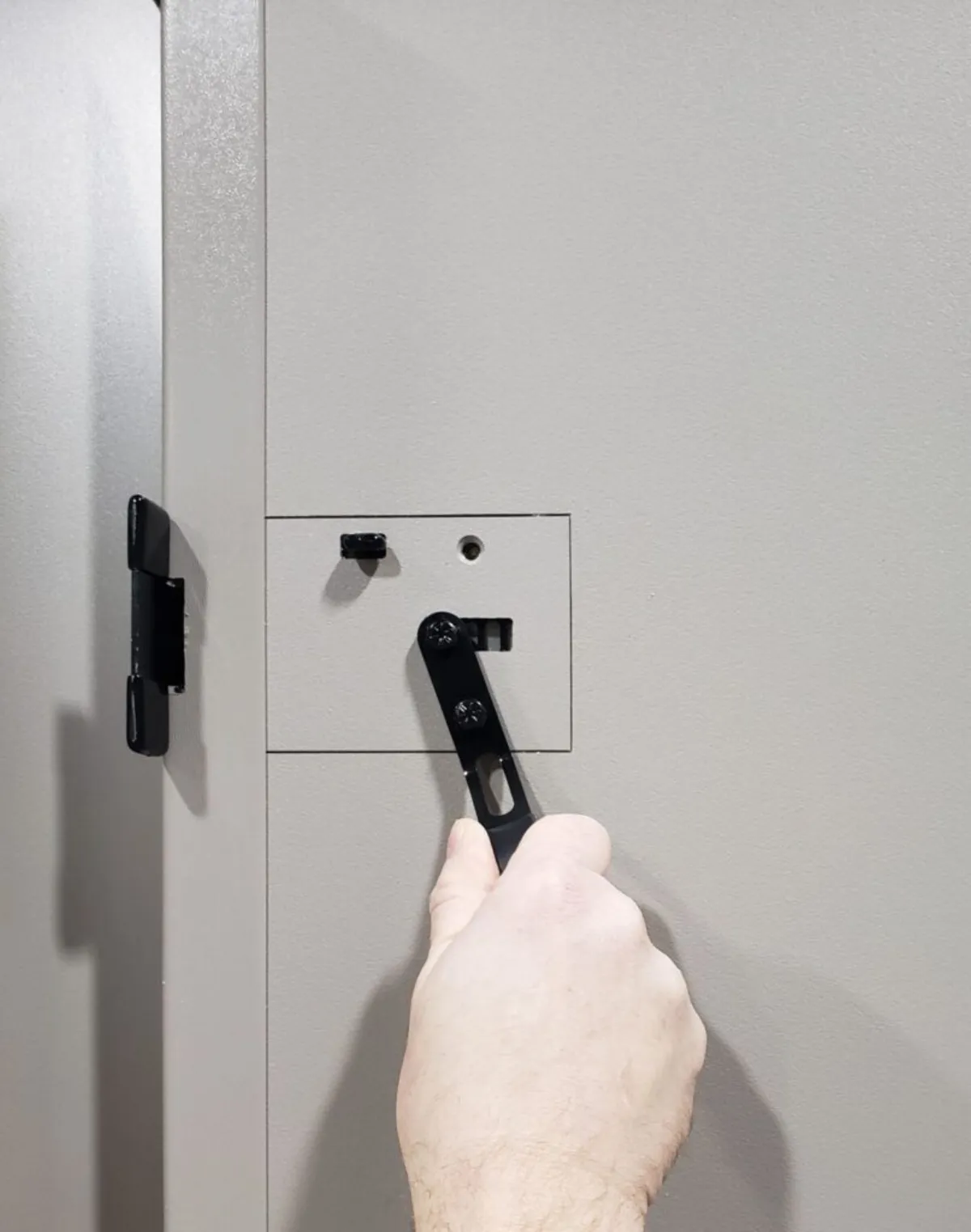
- Handrails, including where they attach. Door Guard offers split-wall panels with the handrail exposed or covered.
- Mirrors, cameras, screens, vents, the emergency phone and the inspection certificate holder.
- Anything recessed, angled, or sticking out more than half an inch.
Take the pads down first. Pads hide exactly the details that matter.
Round two: fabrication measurements
Once you place the order, Door Guard marks up your photos to show exactly what to measure, from this point to that point, for your specific cab. Your staff takes those measurements and sends them back, and the liner is built from them. No site visit, and no guessing which edge to measure from.
Mistakes to avoid
- Photographing over pads. Hanging pads hide handrails, panels and trim. Take them down first.
- Treating quote numbers as final. They price the job. The marked-up measurements build it.
- Forgetting the ceiling. If furniture is tipped on end or sheet goods ride in the car, the ceiling takes hits. Decide now whether you want a ceiling liner.
- Guessing the door count. A rarely used rear freight door still changes the panel set.
Quote worksheet
Print this and fill it in per cab:
| Item | Detail |
|---|---|
| Building, cab number | |
| Doors (1 or 2) | |
| Weight capacity | |
| Back wall width (approx.) | |
| Left and right wall widths (approx.) | |
| Inside height (approx.) | |
| Door opening W × H (approx.) | |
| Photos taken without protection (walls, ceiling, door, close-ups) | |
| Shop drawings available (yes / no) | |
| Items to leave exposed |
Send it
Fill in the free quote request with the door count, weight capacity and rough dimensions, and add the photos, worksheet and any shop drawings right on the form. Files too large for the form can go to info@doorguardinc.com with the building name in the subject line. Pricing comes back within 24 hours, with lead time and freight to the building. If you manage several buildings, the portfolio approach on our sister site, Elevator Protection Solutions, explains how to standardize kits by cab size.