Search for “elevator cab protection” and you get two very different products described with the same words. One is a set of quilted pads that hang from studs. The other is a rigid liner cut to the cab. They solve the same problem at very different levels, and the difference shows up on the refurbishment invoice.
What elevator cab pads are
Cab pads are quilted vinyl or fabric panels, usually an inch thick, sized roughly to the cab walls. They hang from stud buttons installed in the wall panels or from hooks on a rail. Most elevator companies can supply them, and most buildings have a set in a closet somewhere.
They are soft, so they absorb a bump. They are also loose, so they do what loose things do: swing, bunch, slide up when a dolly pushes under them, and leave the corners, jambs and ceiling exposed. A typical pad set covers about 60% of the surfaces that get hit. Door Guard’s own comparison page, Cab Pads vs. Cab Liner, lays out the same picture from the manufacturer’s side.
What a cab liner is
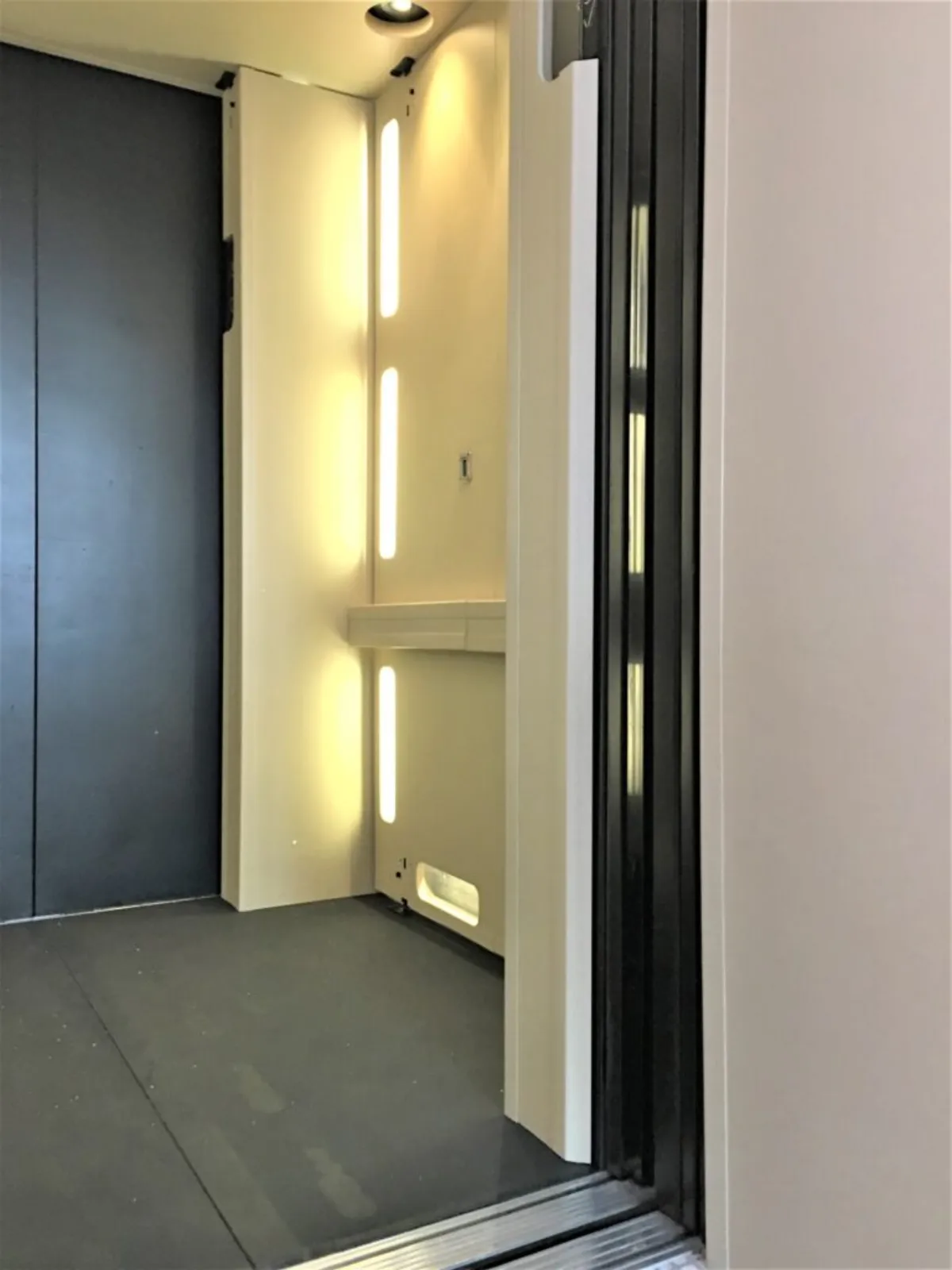
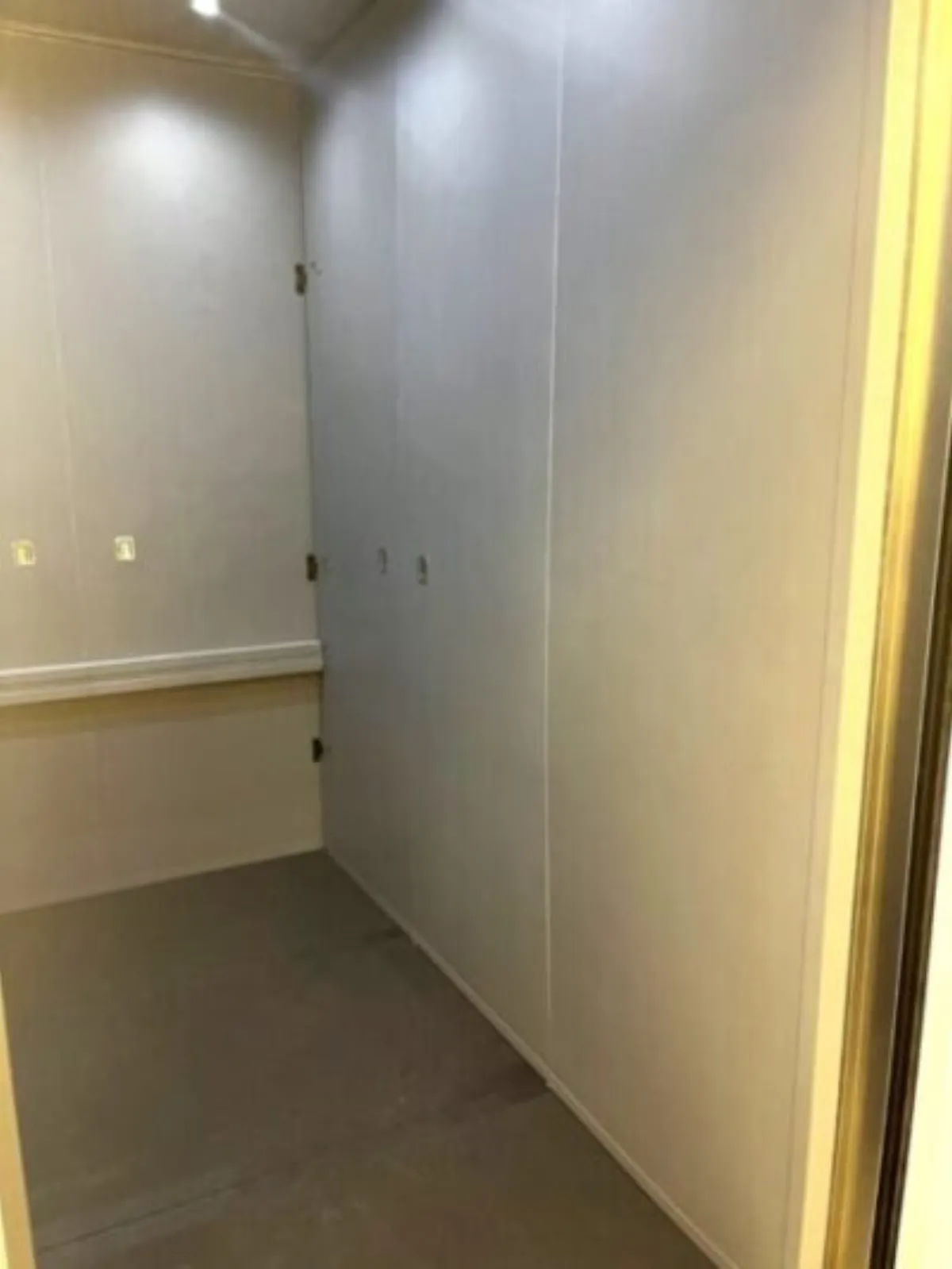
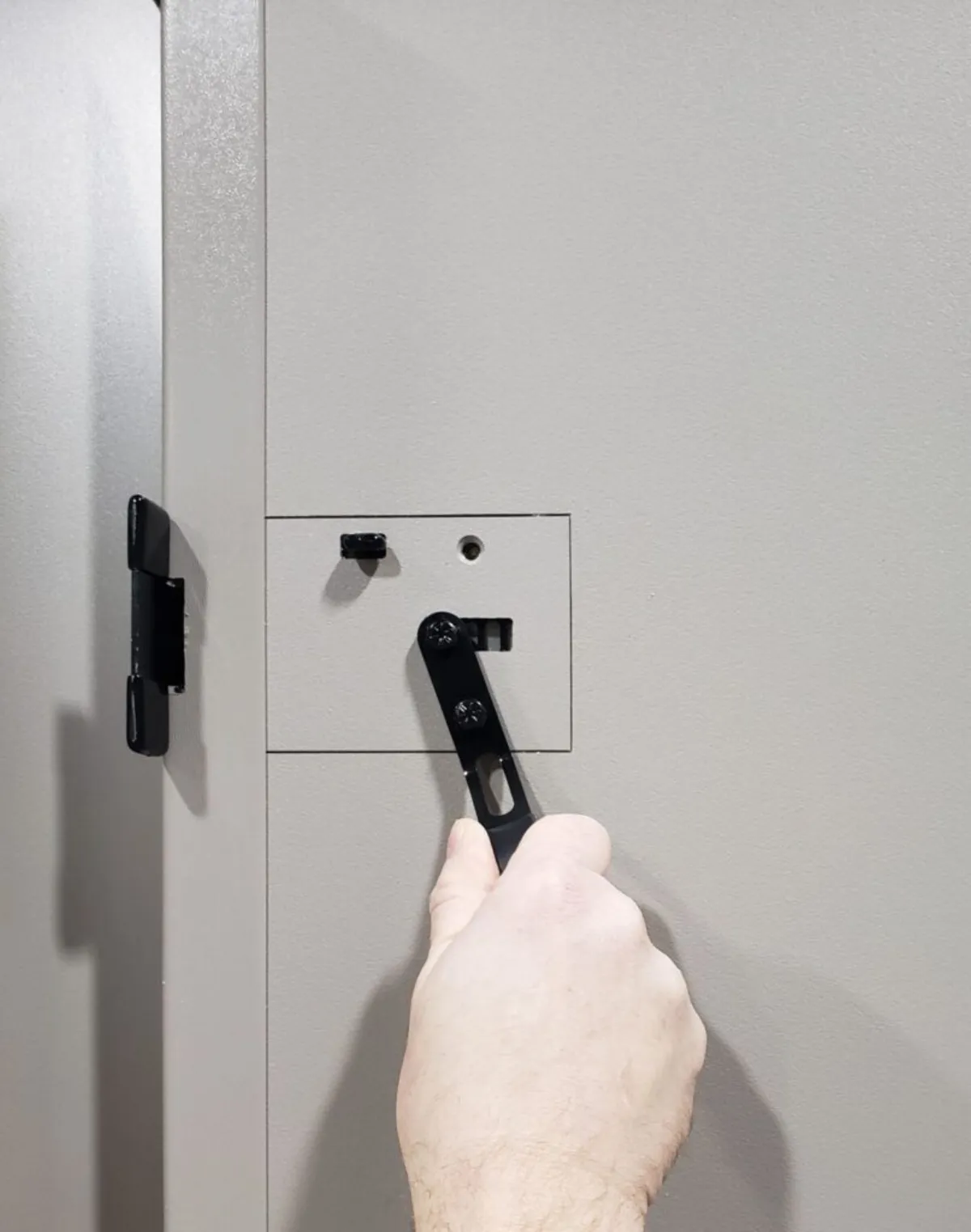
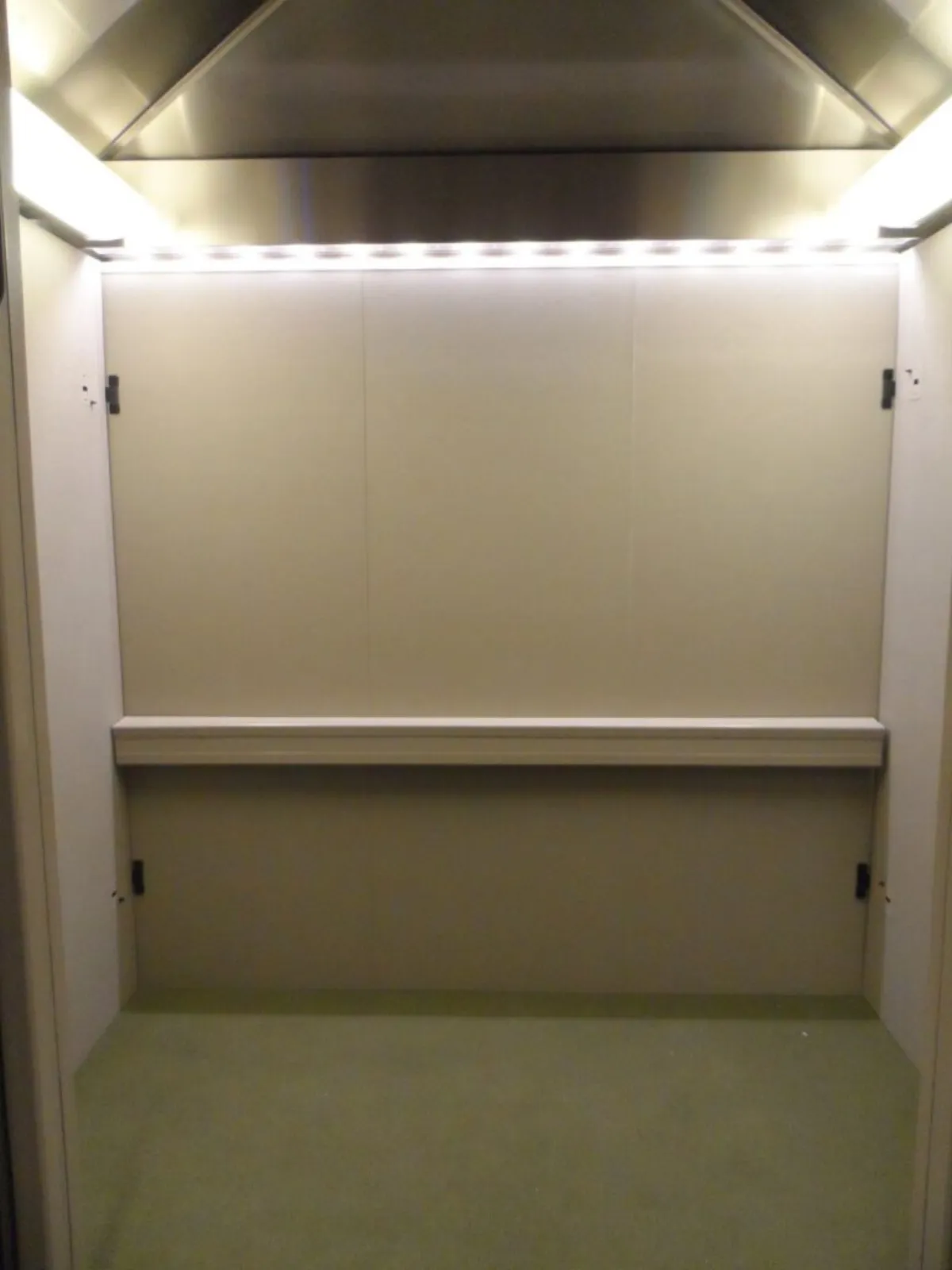
A cab liner is a set of rigid panels built to your cab’s measurements. Door Guard’s version uses a one-inch modular core with a .060-inch acrylic/PVC face, folds on a living hinge for carrying, and locks in place by compression: each wall braces against the next, and the last panel closes the set. No studs, hooks, tape or tools.
Because it is cut to the cab, it covers walls, corners and jamb returns completely. Add a floor liner and a ceiling liner and the entire interior is covered. Cut-outs leave the control panel, cameras, mirrors and handrails usable, so the car stays in normal service.
Side by side
| Hanging cab pads | Fitted cab liner | |
|---|---|---|
| Coverage | About 60% of surfaces | Walls, corners, doors, optional ceiling and floor |
| Behaviour under impact | Swings, bunches, rides up | Stays locked |
| Hardware in the cab | Studs or hooks | None |
| Install | 15 to 30 minutes, re-adjusting during the move | About 5 minutes, one person |
| Appearance | A padded box | A finished interior in a chosen finish |
| Life | 1 to 3 years | Many years, panels replaceable individually |
| Price | Lower up front | Higher up front, lower per move |
The three-year math
A pad set is cheaper on the first invoice. Over three years, the pads get replaced at least once, the building still pays for the corner and ceiling damage the pads did not cover, and the staff time spent re-hanging them adds up. One refurbishment, at $5,000 to $15,000, erases the difference many times over.
When pads are enough
If the cab is already a freight car with a plain interior, moves are rare, and nobody cares what it looks like, pads do a job. In a passenger cab with stainless, laminate or glass finishes and weekly moves, pads are the reason the refurbishment line exists.
Standardizing on a liner
Buildings that switch do it the same way: measure each cab (here is how), order one kit per cab size, and put protection on the move-in checklist. Our sister site covers the policy side for property managers. Pricing for your cab is a free quote away.