Hanging elevator pads need something to hang from. That something is either a set of stud buttons screwed through the cab walls or a hook rail along the top. If your cab has neither, the pad conversation starts with a contractor visit. Here is what is involved and the way around it.
What pad studs are
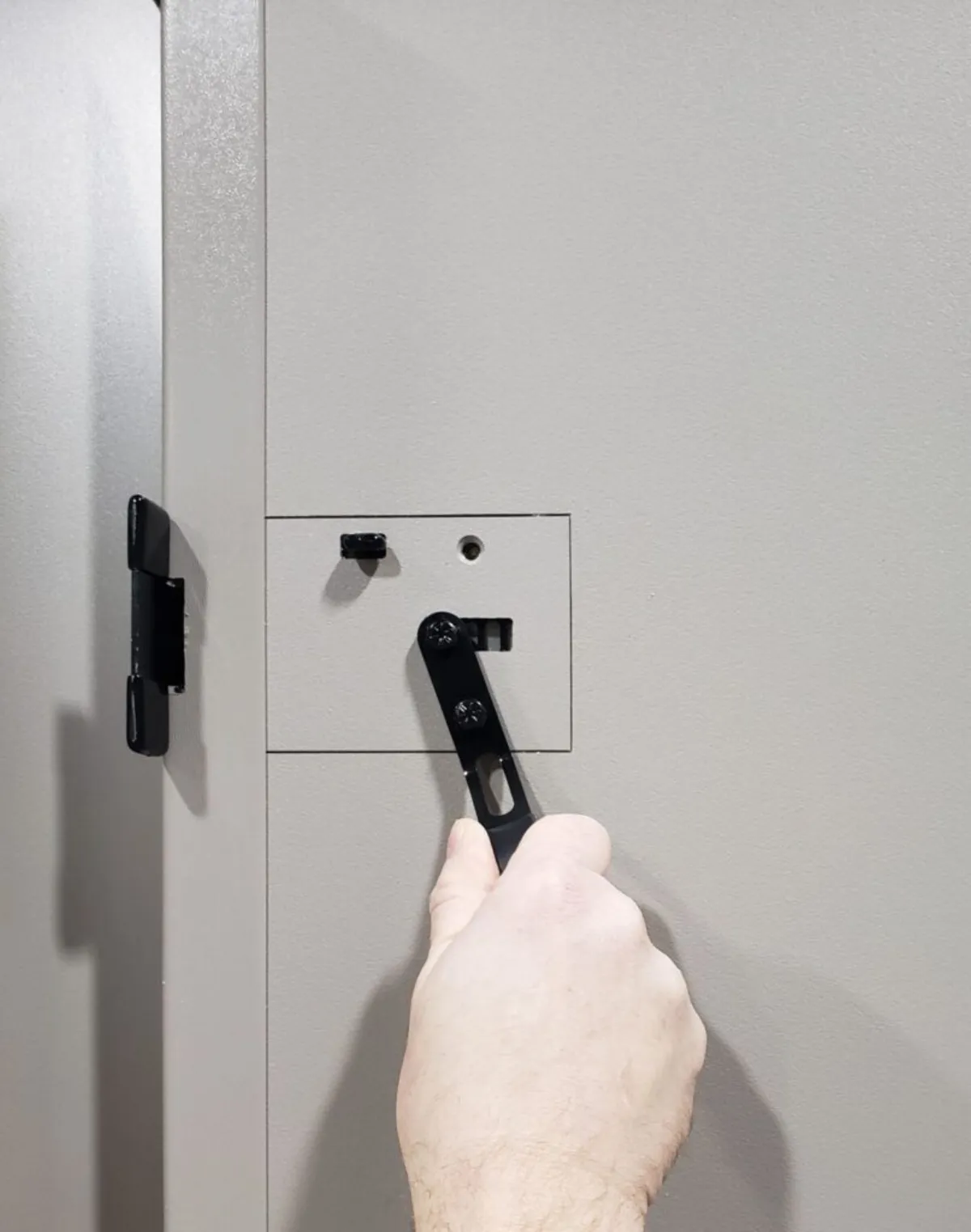
Stud buttons are threaded fasteners installed through the cab wall panels, typically four to six per wall near the top, with a matching grommet in each pad. Hook rails are a continuous strip at the top of the wall with hooks for the pad loops. Both are installed by the elevator company, both are permanent, and both are visible when the pads are down.
The problems with them
- The cab is drilled. On stainless, glass or veneer, that is a finish decision the owner may not want to make.
- Pads only hang from the top. Everything below the studs is free to swing, which is why pads bunch and ride up under a dolly.
- Coverage gaps are built in. Studs sit inboard of the corners; corners, jambs and the ceiling are never covered.
- They age. Grommets tear, studs loosen, and a pad with one torn corner sags into the car.
Door Guard’s comparison page, Better Than Elevator Pads, goes through the same list from the installer’s side.
The no-hardware alternative
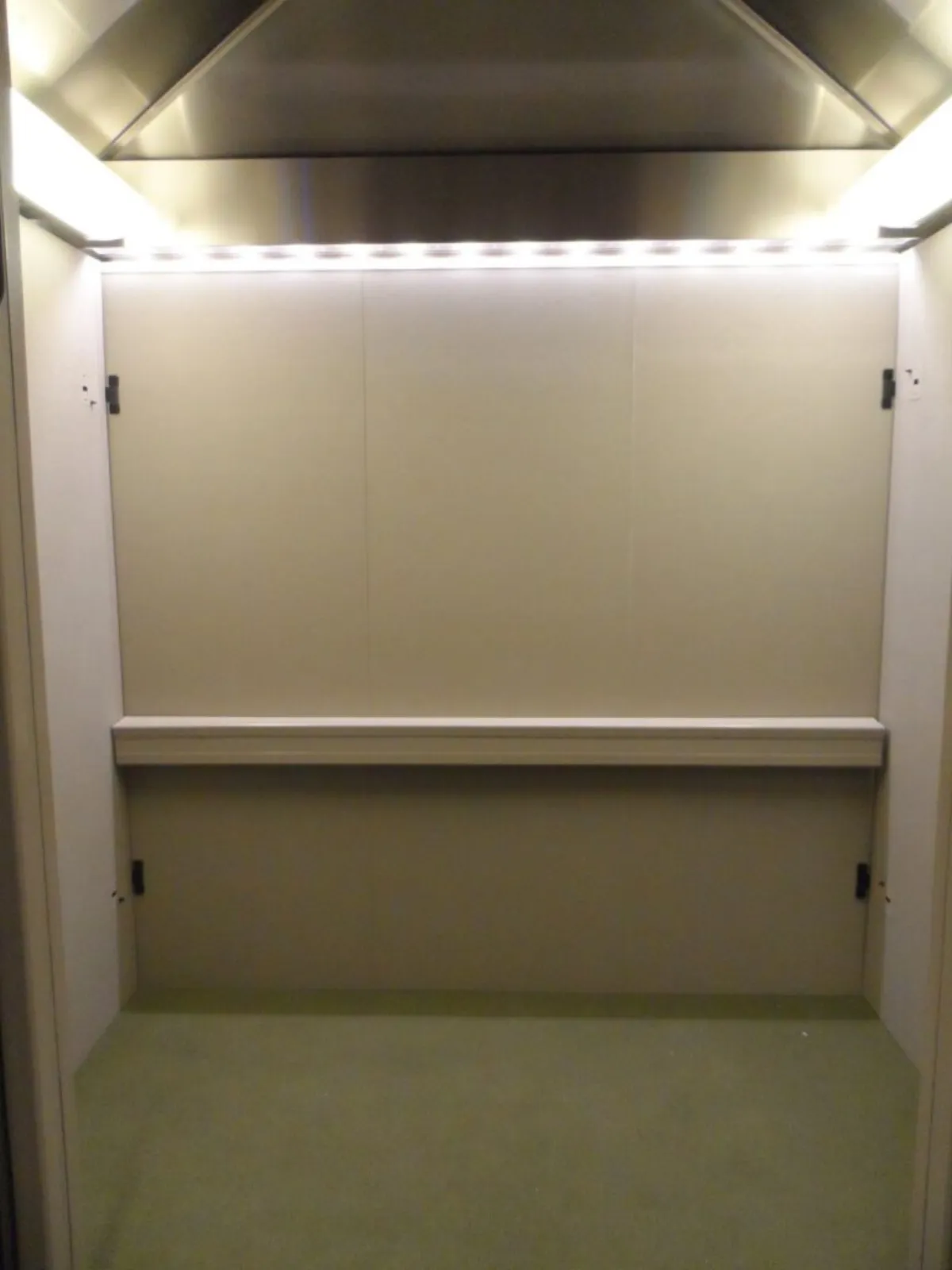
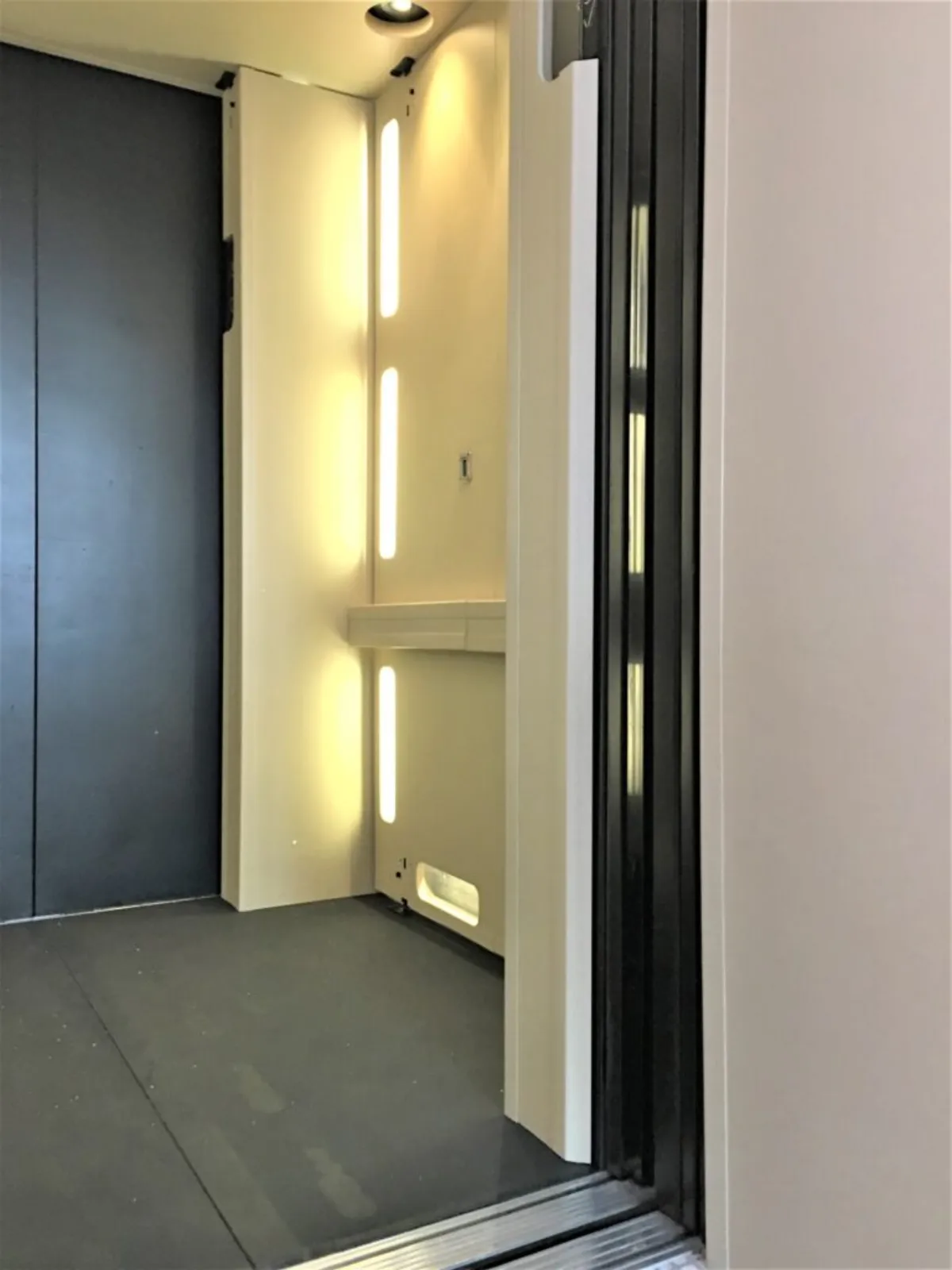
A compression-fit liner does not hang. Each wall is a rigid panel cut slightly oversize; the panels brace against each other and the last one locks the set. The Cab Liner is held by the geometry of the cab itself, so:
- No studs, hooks, tape or tracks.
- Coverage runs into the corners and across the jamb returns.
- The panel does not move when something hits it, because it has nowhere to go.
- It comes out leaving the walls exactly as they were.
If you already have studs
Keep them or ignore them. A liner does not interfere with pad studs, and many buildings keep the pads as a backup for the first few months. Most stop using them once the liner is in the routine.
What to do next
If you are being quoted for stud installation, get a liner quote first; the free quote often costs less than the stud work plus the pads. The measuring guide covers what to send.